
Mega Fishing: A Practical Guide to Cannon Rounds
Mega Fishing is an arcade-style fishing title where each round centers on aiming, firing and choosing how long to pursue a target. Start with a low-pressure demo if available, learn how shot cost and target value interact, and set a firm session limit before moving to paid play.
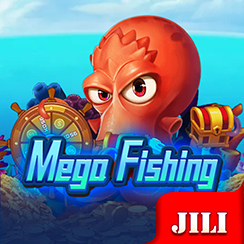 Mega Fishing · fishing
More fishing games to compare
FISHINGTry a neighboring arcade style to see which rhythm suits you; each option opens through the same official lobby.
The short answer: what to compare first
A demo can help you understand controls and pacing, but it cannot predict paid outcomes. Treat every shot as a new chance event, and compare games on their published rules rather than anecdotes or apparent streaks.
Cost per shot
Check the cannon level and displayed stake before firing. A higher setting can spend a session budget faster without making a particular target certain to fall.
Target behavior
Observe speed, direction and time on screen. Fast targets may be harder to track; their appearance is not a promise of a better return.
Special features
Read the in-game explanation for bosses, group events or bonus effects. Feature triggers and payouts can depend on the specific rules shown in the lobby.
Session control
Decide a cash and time limit before starting. Stop when either limit is reached instead of increasing stakes to recover an earlier result.
For help with account terms and game access, consult the Table Game Online Faqs before registration; verify current rules and local eligibility independently.
What Mega Fishing is designed to feel like
Mega Fishing belongs to the fishing-arcade category: the screen presents moving sea creatures and a cannon, and the player chooses when and where to fire. Instead of matching symbols on static reels, play is built around timing a shot against targets that move across the playfield. The game can feel active and immediate, but animation does not change the underlying uncertainty of each result.
The central experience is a repeated decision loop. You watch the field, pick a target that fits your current shot setting, then review what happened and decide whether to continue. Some cabinets layer in larger creatures or event-like moments; always use Mega Fishing's displayed help panel for the exact feature conditions rather than assuming that another fishing game works the same way.
How a round typically unfolds
The exact interface can vary by version, but a considered visit follows a simple sequence. These steps explain decisions to make, not a guaranteed way to win.
- Check the controls and pay information. Locate the firing control, available cannon levels, stake display and any help or paytable button before the first shot.
- Choose a modest setting. Select a shot value that fits the budget you already chose. Avoid treating an upgrade as a way to improve certainty.
- Watch the target field. Notice where creatures enter, how quickly they move and whether you can follow them comfortably on your screen.
- Aim and fire deliberately. Use the available touch or pointer control, then allow the game to show the result. Each shot remains uncertain, even when a target looks close.
- Review and reset your decision. Check the balance and recent action, then continue only if it remains within your preset time and spending limits.
- Finish at your limit. Leave when the planned session ends. Do not raise the limit because a bonus animation or near miss makes another attempt feel urgent.
A Mega Fishing Demo is best used to get comfortable with the layout and terminology. Demo outcomes do not establish a pattern for cash play, so keep the same limits and decision discipline if you later switch modes.
Mechanics that shape each shot
Understanding the basic pieces makes it easier to compare the interface without overreading results. The game may expose several controls; refer to its help screen for version-specific rules and the exact cost attached to each action.
Cannon level and ammunition cost
The selected cannon setting determines the cost shown for a shot. Review that value whenever you change levels, because small repeated actions can accumulate quickly over a long session.
Aim and timing
Moving targets create a timing challenge: the target may continue moving after you choose a direction. Better timing can make controls feel more intentional, but it cannot make an outcome certain.
Target values and special events
Displayed values and feature descriptions explain what the game presents, not a promise about the chance of success. Confirm whether an event changes rules, stakes or only presentation.
Balance and round history
Use visible balance and history indicators to keep track of what has already been spent. A sequence of misses or hits does not make the next result due.
For a different kind of table-game decision, the Baccarat guide explains card totals and betting options. Comparing genres can clarify which pace you prefer; it does not make either format a source of predictable income.
Theme, pace and screen experience
The underwater arcade setting gives Mega Fishing a continuously changing playfield. Creatures cross the screen, shot effects add motion, and the player alternates between scanning and acting. This is more hands-on than a standard spin button, while remaining easy to understand once the controls and stake indicators are located.
On a phone, keep the game view unobstructed and use comfortable touch targets; landscape orientation may help if the game itself supports it. Stable connectivity matters for a responsive interface, but it does not alter game odds. If effects make it difficult to see the balance or selected shot level, pause and adjust the view before continuing.
For broader habits around breaks, device safety and budget boundaries, read Table Game Online Tips. Keep entertainment separate from essential expenses, and step away whenever play stops feeling enjoyable.
Before opening the lobby
Use this final sequence as a compact preparation checklist. Promotions and withdrawal requirements are account terms, not part of a game's firing mechanics, so inspect the current conditions before making a financial decision.
- Confirm access and eligibility. Check that the site and game are available to you under applicable local rules and age requirements.
- Read any promotion in full. Table game online promotions can include eligibility, turnover and expiry conditions; review them before opting in rather than relying on a banner summary.
- Check payment and withdrawal terms. Table game online withdrawal timing, verification and limits may vary by payment method. Read the cashier's current terms and keep transaction records.
- Choose a budget and time cap. Set both in advance, use only discretionary entertainment funds, and do not borrow or chase losses.
- Start with the rules, not assumptions. Explore a demo if available, then decide whether the game's pace and controls suit you without treating practice results as a forecast.
The safest summary is straightforward: learn the interface, verify the terms, keep each shot within a planned budget and stop on schedule. No strategy removes chance from a fishing arcade game.